
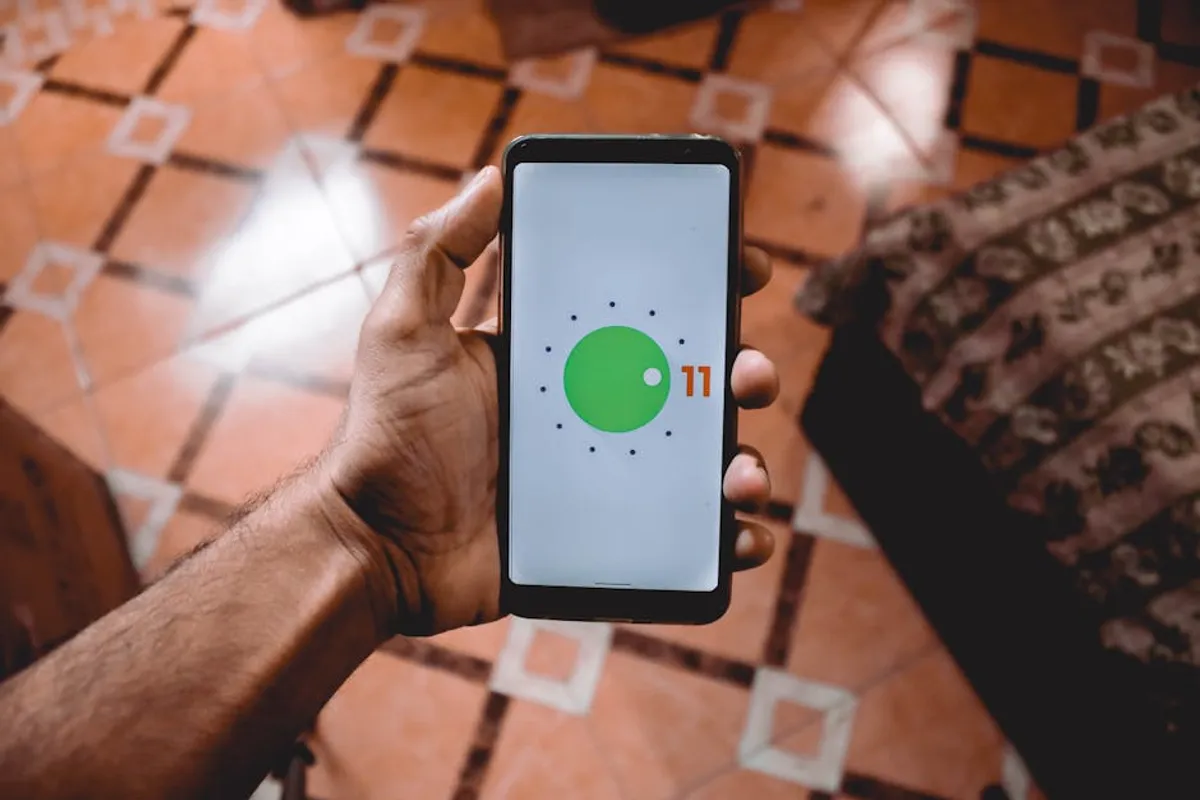
The Android ecosystem represents the largest mobile operating system globally, underpinning a vast market of devices, applications, and user interactions. For SEO professionals, marketers, developers, and publishers, staying current with Android news is not merely about technical curiosity; it is a commercial imperative. The platform's continuous evolution—from core operating system updates to new hardware releases, app store policy shifts, and emerging feature sets—directly impacts content discoverability, application performance, user engagement, and ultimately, revenue generation. Understanding these developments allows for proactive strategy adjustments, ensuring products and services remain competitive and accessible to a massive, diverse user base.
The Evolving Android Ecosystem: Why Staying Current Matters
Android's market dominance translates into significant opportunities and challenges. Its open-source nature fosters rapid innovation but also introduces fragmentation across devices and OS versions. For businesses, this means that changes in Android can alter how users consume content, interact with applications, and discover new products. Ignoring these shifts can lead to outdated app experiences, diminished search visibility, or missed marketing opportunities. Conversely, an informed approach allows for strategic planning around new features, security enhancements, and user interface changes, ensuring offerings are optimized for the latest platform capabilities and user expectations.
Commercial implications include:
- App Development & Optimization: Adapting to new APIs, UI guidelines, and performance metrics.
- Content Strategy: Tailoring content for new device form factors (e.g., foldables) or consumption patterns.
- Marketing & Advertising: Leveraging new ad formats, privacy controls, and targeting capabilities.
- SEO & Discoverability: Optimizing for Google Play Store algorithm updates and mobile search trends.
Key Areas of Android News Coverage
OS Updates and Version Rollouts
Major Android OS updates, typically released annually, introduce significant changes affecting functionality, security, and user experience. Each new version brings alterations to system APIs, privacy permissions, notification handling, and visual design. For developers, this necessitates compatibility testing and often requires code adjustments to support new features or adhere to updated guidelines. Marketers must understand how these changes impact user behavior, such as new privacy settings affecting data collection for analytics or updated notification systems influencing engagement strategies. Security patches, released more frequently, are critical for maintaining user trust and protecting data, impacting enterprise adoption and app store compliance.
New Android Phones and Hardware Innovations
The release cycle of new Android smartphones, tablets, and wearables drives hardware innovation. Flagship devices introduce advancements in camera technology, processing power, battery life, and display types (e.g., high refresh rates, foldables). These hardware shifts create new possibilities for app functionality and content presentation. For instance, enhanced camera sensors enable more sophisticated photography apps, while foldable screens open up new UI/UX paradigms. Understanding these hardware trends is crucial for designers and developers to create experiences that fully leverage the capabilities of the latest devices, and for content creators to produce media optimized for diverse screen sizes and resolutions.
App Ecosystem Developments and Trends
The Google Play Store remains the primary distribution channel for Android applications. News in this area often pertains to policy changes, algorithm updates for app discoverability, new monetization models, or emerging app categories. Developers must track these updates to ensure their apps remain compliant, visible, and profitable. For marketers, understanding Play Store optimization (ASO) algorithm shifts is as critical as traditional SEO, directly influencing app downloads and user acquisition costs. Trends in app usage, such as the rise of short-form video or productivity tools, also dictate strategic directions for new app development and feature prioritization.
Emerging Features and Technologies
Beyond core OS and hardware, Android continuously integrates new technologies. This includes advancements in artificial intelligence (AI) and machine learning (ML) for on-device processing, enhanced privacy controls (e.g., Privacy Sandbox initiatives), and improved cross-device continuity (e.g., better integration with ChromeOS or Windows). These emerging features often signal the future direction of the platform. Businesses that anticipate and integrate these technologies early can gain a competitive edge by offering cutting-edge functionalities, improving user trust through enhanced privacy, or streamlining workflows across multiple devices.
Sourcing Reliable Android Information
Navigating the volume of Android news requires discerning reliable sources from speculative content. Official channels provide the most accurate information, while reputable tech journalism offers valuable analysis and context. Prioritizing sources that provide concrete data, developer documentation, or direct quotes from official spokespeople ensures decisions are based on verified facts.
Key sources include:
- Official Android Developer Blog and Documentation
- Google's official newsroom and product blogs
- Reputable technology news outlets with dedicated Android sections
- Industry analyst reports focusing on mobile market trends
- Developer conferences and keynotes (e.g., Google I/O)
Pro Tip: When evaluating Android news, always cross-reference information with official Google sources or developer documentation. Unofficial leaks or rumors, while sometimes accurate, can lead to premature development efforts or misinformed marketing campaigns if not verified. Focus on confirmed announcements for strategic planning.
Actionable Insights from Android News for Marketers and Developers
Translating Android news into actionable strategies is key. For marketers, understanding upcoming OS features like new privacy controls (e.g., changes to ad identifiers) allows for proactive adjustment of campaign targeting and measurement methodologies. New hardware capabilities, such as advanced camera arrays, can inspire creative content campaigns or rich media ad formats. For developers, early awareness of API deprecations or new development tools (e.g., Kotlin Multiplatform advancements) facilitates smoother transitions and ensures applications remain performant and secure. Tracking Play Store policy updates prevents app delistings and maintains compliance, safeguarding distribution channels. Ultimately, a continuous feedback loop between monitoring Android developments and adjusting business strategy ensures sustained relevance and competitive advantage.
Optimizing for Android's Continuous Evolution
The Android ecosystem will continue its rapid evolution, driven by technological advancements and shifting user demands. For any entity operating within the mobile space, a commitment to ongoing learning and adaptability is non-negotiable. By systematically tracking updates across the OS, hardware, app ecosystem, and emerging features, businesses can transform potential disruptions into opportunities for innovation and growth. This proactive approach ensures products, services, and content remain aligned with the platform's direction, securing a stronger position in the mobile-first world.
Frequently Asked Questions
How often does Android release major OS updates?
Google typically releases one major Android OS version update annually, usually in the late summer or early fall. These updates are preceded by developer previews and beta programs allowing for early testing.
Where can developers find early information about upcoming Android features?
Developers can access early information through the Android Developer Blog, the Android Developers website, and by participating in the Android Beta Program. Google I/O, their annual developer conference, is also a primary source for new announcements.
How do Android OS updates impact existing applications?
Android OS updates can impact existing applications by introducing new APIs, deprecating old ones, changing system behaviors, or updating UI guidelines. Developers often need to update their apps to ensure compatibility, leverage new features, and maintain optimal performance and security.
What is the significance of new Android phone releases for content creators?
New Android phone releases often introduce advanced hardware capabilities, such as improved cameras, higher resolution screens, or unique form factors (e.g., foldables). For content creators, this means opportunities to produce richer media, optimize content for new display types, and explore innovative storytelling formats that leverage the latest device features.