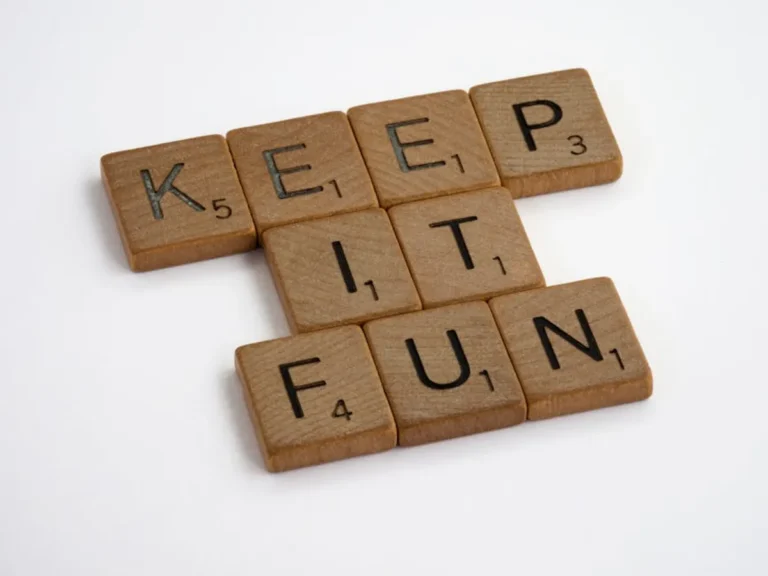

For those who find delight in the lexicon, a well-crafted board or card game offers more than mere entertainment; it provides a direct challenge to vocabulary, wit, and strategic thinking. This curated selection focuses on games that prioritize wordplay, language manipulation, and the satisfaction of forming, discovering, or deciphering words. The aim is to guide word enthusiasts toward their next engaging tabletop experience, whether seeking competitive spelling, cooperative deduction, or creative linguistic challenges.
What to Consider When Choosing a Word Game
Selecting the ideal word game involves more than just a love for letters. Consider the primary mechanic: are you looking to build words from scratch, deduce hidden words, associate concepts, or creatively describe? Player count is also crucial; some games excel with two, others demand a larger party. Evaluate the desired pace and complexity: do you prefer a fast-paced, real-time scramble or a more deliberate, strategic word puzzle? Finally, think about the social dynamic—competitive, cooperative, or a mix of bluffing and deduction—to match the game with your typical playgroup's preferences.
1. Scrabble
Scrabble stands as the quintessential competitive word game, demanding both an extensive vocabulary and tactical board placement. Players draw seven letter tiles and strategically form words on a grid, aiming for high-scoring squares and bonus opportunities. Its enduring appeal lies in the blend of linguistic knowledge, spatial reasoning, and the constant tension of maximizing points while blocking opponents.
Best for: Players who enjoy direct competition, strategic planning, and a deep reliance on vocabulary recall.
Pros: High replayability due to variable tile draws and board states; encourages vocabulary expansion; widely available with numerous editions and digital adaptations.
Cons: Can suffer from 'analysis paralysis' as players overthink moves; luck of the draw can be significant; less engaging for players with limited vocabulary or those seeking a purely cooperative experience.
Verdict: A timeless choice for serious word strategists, Scrabble rewards linguistic knowledge and spatial reasoning, though its competitive nature and potential for slow turns may not suit all groups.
2. Bananagrams
Bananagrams offers a fast-paced, real-time word-building experience that eliminates the board and turn-taking of traditional crosswords. Players simultaneously race to create their own personal crossword grids using letter tiles, aiming to be the first to use all their letters. The game's portability and quick setup contribute to its appeal as an impromptu word challenge.
Best for: Groups seeking a quick, energetic word game that emphasizes speed and individual word construction without a shared board.
Pros: Highly portable and compact; no paper, pencil, or board required; encourages rapid word formation and quick thinking; scalable for various player counts.
Cons: Can be stressful for players who prefer a slower, more deliberate pace; less strategic depth compared to Scrabble; relies heavily on individual vocabulary and speed.
Verdict: An excellent option for casual word lovers and families, Bananagrams provides an accessible and exciting word scramble that's easy to set up and play anywhere.
3. Codenames
Codenames is a team-based word association game where two rival spymasters give one-word clues to their teams, attempting to guide them to their assigned agents (words) on a grid while avoiding the opponent's agents and a deadly assassin word. The game tests players' ability to connect disparate concepts and interpret subtle linguistic cues.
Best for: Larger groups and parties looking for a social deduction game that hinges on creative word association and careful clue interpretation.
Pros: High replayability with a vast number of word combinations; fosters creative thinking and communication skills; excellent for team building; multiple versions (e.g., Duet, Pictures) offer variety.
Cons: Requires a minimum of four players for its core experience; can be frustrating if spymasters give unclear clues or teammates misinterpret; some words may be culturally specific.
Verdict: A modern classic for its innovative blend of wordplay and deduction, Codenames consistently delivers engaging, often hilarious, moments of linguistic triumph or failure.
4. Taboo
Taboo is a high-energy party game where players try to get their teammates to guess a specific word without using a list of "taboo" associated words. The pressure of the timer and the strict rules against using common descriptors force creative and often comical explanations, testing vocabulary and quick thinking under duress.
Best for: Lively parties and groups who enjoy fast-paced, verbal communication challenges and a good laugh.
Pros: Excellent for breaking the ice and generating laughter; encourages creative problem-solving and rapid communication; simple rules make it easy to teach and play.
Cons: Can be frustrating if players struggle to find alternative descriptors; requires a minimum of four players; replayability can diminish over time as cards become familiar.
Verdict: Taboo remains a staple for social gatherings, providing an immediate and boisterous word-guessing challenge that relies on clever circumlocution and quick wit.
5. Boggle
Boggle is a rapid-fire word search game where players shake a grid of letter dice and then race against a timer to find as many words as possible. Words can be formed by connecting adjacent letters in any direction, including diagonally. It's a test of visual scanning, pattern recognition, and vocabulary recall, all under time pressure.
Best for: Individuals or small groups who enjoy a fast, intense word-finding challenge that emphasizes speed and observation.
Pros: Quick setup and play; portable; highly replayable due to random letter configurations; good for improving vocabulary and mental agility.
Cons: Can be intimidating for slower players; success is heavily dependent on the letter distribution in the grid; individual play can feel solitary.
Verdict: Boggle is a classic for a reason: it delivers a pure, unadulterated word search experience that's both challenging and addictive for those who thrive under pressure.
6. Letter Jam
Letter Jam is a cooperative deduction game where players hold their own letters facing away from them, visible only to others. Through a system of clues given by one player to another (e.g., "The word I see is _ _ _ _"), players must deduce their own hidden letter. It's a unique blend of word building and logical reasoning.
Best for: Cooperative groups who enjoy deduction, puzzle-solving, and a more cerebral approach to word games.
Pros: Highly innovative and unique gameplay; fosters communication and collaborative problem-solving; offers a satisfying "aha!" moment when a letter is deduced.
Cons: Can have a steeper learning curve than other word games; requires focused attention from all players; can be frustrating if players struggle with deduction.
Verdict: For players seeking a truly novel and cooperative word challenge, Letter Jam provides a deeply satisfying experience of shared linguistic puzzle-solving.
7. Paperback
Paperback combines word-building with deck-building mechanics. Players start with a basic hand of letter cards and use them to spell words, earning money to buy more powerful letter cards or special ability cards. The game gradually allows for longer, higher-scoring words and strategic card combinations, evolving the word-building experience.
Best for: Enthusiasts of both word games and deck-building mechanics who appreciate strategic depth and engine-building alongside vocabulary use.
Pros: Unique blend of genres offers fresh gameplay; high replayability with varied card markets; rewards strategic planning and efficient word construction; can be played solo.
Cons: Learning curve for those unfamiliar with deck-building; can suffer from 'analysis paralysis' as players optimize their hands and purchases; less direct player interaction.
Verdict: Paperback stands out by integrating a popular modern board game mechanic into wordplay, offering a satisfying progression and strategic layer beyond simple spelling.
8. Upwords
Upwords is a three-dimensional word game similar to Scrabble, but with the added ability to stack letters on top of existing ones to change words. This vertical element introduces a new layer of strategy, allowing players to transform words like "HAT" into "HATS" or "CAT" by adding a single letter, or even completely change words by covering them.
Best for: Players who enjoy the core mechanics of Scrabble but seek additional strategic depth through vertical word construction and transformation.
Pros: Adds a unique 3D element to word building; encourages creative word modification and strategic stacking; generally higher scores are possible, leading to exciting plays.
Cons: Can be harder to keep track of words and scores due to stacking; may not appeal to purists of flat-grid word games; tile distribution still impacts strategy.
Verdict: Upwords offers a compelling twist on traditional crossword-style games, providing a refreshing challenge for those who appreciate spatial strategy alongside their vocabulary.
9. Quiddler
Quiddler is a card game where players draw hands of letter cards and try to form words, aiming for the longest and highest-scoring combinations. The number of cards drawn increases each round, escalating the challenge. It blends elements of rummy with word construction, requiring players to manage their hand and quickly identify potential words.
Best for: Card game enthusiasts and word lovers who prefer a game with quick rounds, hand management, and a focus on building multiple shorter words or one long word.
Pros: Portable and easy to learn; offers a good balance of luck and skill; encourages players to find various word lengths; suitable for a wide range of ages.
Cons: Less strategic depth than board-based word games; luck of the draw can be significant; some may find the scoring system slightly complex initially.
Verdict: Quiddler provides a light, engaging card-based word game experience, perfect for those who enjoy the challenge of forming words from a limited hand with increasing complexity.
10. Balderdash
Balderdash is a bluffing game that tests creativity and linguistic prowess. Players are given an obscure word, acronym, or historical event, and everyone (except the person who knows the real definition) writes down a plausible-sounding but fake definition. Players then vote on which definition they believe is correct, earning points for guessing correctly or for fooling others with their fabricated answers.
Best for: Creative writers, bluffers, and groups who enjoy imaginative storytelling, humor, and social deduction in a party game format.
Pros: Generates significant laughter and creative engagement; high replayability with numerous prompts; encourages imaginative writing and persuasive deception.
Cons: Requires a minimum of four players for optimal play; less appealing to players who prefer strict rules and no bluffing; game length can vary depending on discussion.
Verdict: Balderdash is an excellent choice for a party setting, transforming obscure words into a platform for witty deception and communal amusement.
11. Decrypto
Decrypto is a team-based word association and code-breaking game. Each team has a secret code word (e.g., 1-3-2) and a set of four unique words visible only to them. To communicate the code to their teammates, one player gives three one-word clues, attempting to link them to their team's secret words. The opposing team tries to intercept and deduce the code, adding layers of strategic word choice and interpretation.
Best for: Teams who enjoy complex word association, strategic deduction, and a competitive "cat and mouse" dynamic.
Pros: Deep strategic gameplay with high replayability; fosters intense communication and interpretation; offers a unique blend of wordplay and code-breaking.
Cons: Can have a steeper learning curve; requires focused attention and careful clue-giving; potential for 'analysis paralysis' when choosing clues or intercepting.
Verdict: Decrypto provides a highly intelligent and challenging team word game, rewarding precise language and astute deduction for a deeply satisfying experience.
12. Trapwords
Trapwords is a team-based word-guessing game with a twist: while one team tries to get their guesser to say a secret word, the opposing team secretly writes down "trapwords" that the guesser must avoid saying. If the guesser utters any trapword, their team fails. This creates a high-stakes challenge of clue-giving and careful listening.
Best for: Groups who enjoy word-guessing games but want an added layer of tension, strategic clue-giving, and the challenge of avoiding linguistic pitfalls.
Pros: Innovative mechanic adds significant replayability and tension; encourages creative clue-giving and careful word choice; fosters team communication and anticipation.
Cons: Can be frustrating if a trapword is inadvertently said; requires a minimum of four players; some may find the "trap" element stressful.
Verdict: Trapwords elevates the familiar word-guessing genre by introducing a clever antagonistic element, making every clue and guess a strategic decision.
Choosing the Right Word Game for Your Table
The best word game for your collection depends entirely on your preferences and those of your fellow players. If competitive vocabulary challenges appeal, games like Scrabble or Upwords offer enduring strategic depth. For quick, spontaneous word formation, Bananagrams or Boggle excel. Social deduction and creative association are best served by Codenames or Decrypto. If bluffing and imaginative writing are the goal, Balderdash provides endless amusement. Consider the typical number of players, the desired level of intensity, and whether your group prefers cooperation or head-to-head competition. Most importantly, select a game that fosters the kind of linguistic engagement you find most rewarding.
Frequently Asked Questions About Word Games
What makes a good word game?
A good word game typically offers a balance of challenge and accessibility, encouraging players to engage with language in a meaningful way. This can involve expanding vocabulary, testing spelling, fostering creative association, or demanding strategic word placement. Replayability, clear rules, and an engaging social dynamic are also key factors.
Are there cooperative word games?
Yes, several word games emphasize cooperation over competition. Letter Jam is a prime example, where players work together to deduce hidden letters. Codenames, while having two competing teams, requires intense cooperation within each team to succeed. These games focus on shared problem-solving and communication.
Can word games improve vocabulary?
Many word games, particularly those focused on spelling and definition, can indirectly improve vocabulary. Games like Scrabble and Upwords encourage players to recall and utilize a wider range of words. Games like Balderdash expose players to obscure terms. While not a substitute for dedicated study, consistent play can reinforce word knowledge and introduce new terms.
What about solo play options for word lovers?
While many word games are designed for multiple players, some offer satisfying solo modes. Paperback, for instance, includes official solo rules. Boggle can be played solo as a personal challenge against the clock. Additionally, many digital adaptations of classic word games provide excellent solo practice opportunities.