
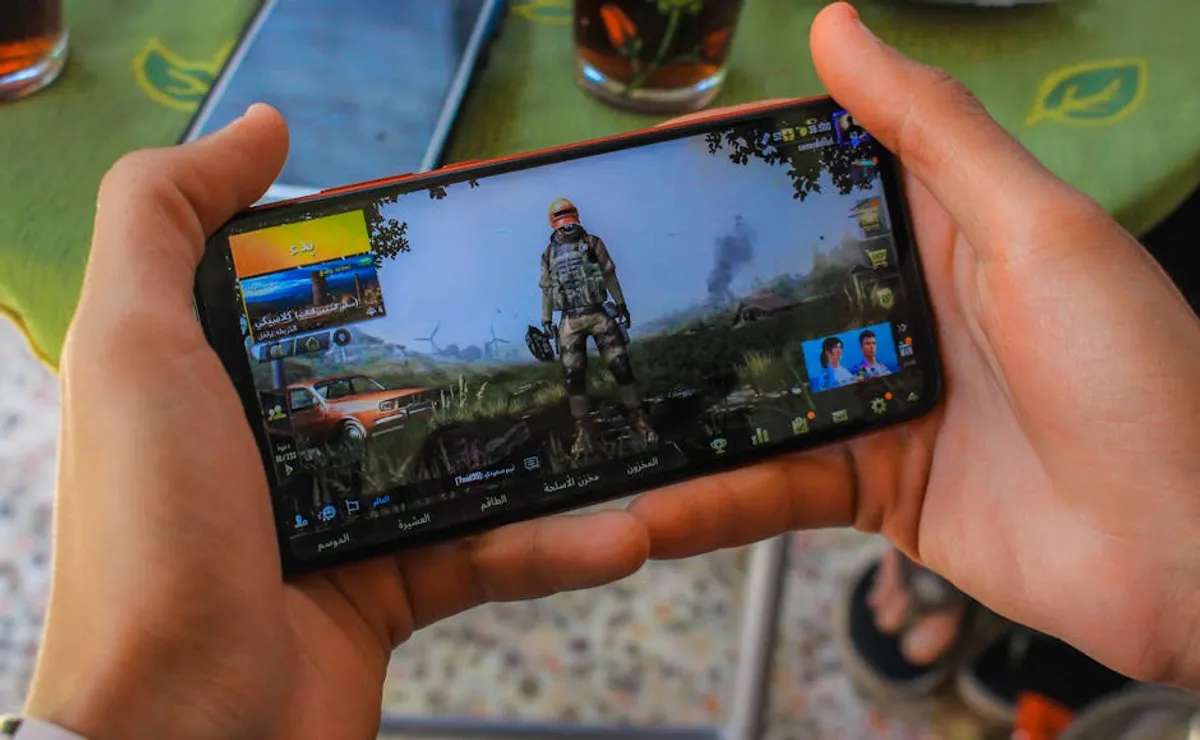
Mobile game rewards are not simply cosmetic additions; they are fundamental levers for player engagement, retention, and monetization within the fiercely competitive mobile gaming market. For developers, publishers, and marketers, understanding the strategic deployment of these reward systems is crucial for cultivating a loyal player base and driving sustainable revenue. This guide outlines the core types of mobile game rewards and the strategic considerations for their effective implementation, moving beyond surface-level mechanics to the underlying commercial impact.
Core Categories of Mobile Game Rewards
Effective reward systems are multifaceted, combining various types of incentives to cater to different player motivations and achieve specific commercial objectives.
In-Game Currency and Virtual Items
These are the most common forms of rewards, forming the backbone of many mobile game economies.
- Soft Currency: Earned through gameplay (e.g., defeating enemies, completing quests, daily logins). Used for common upgrades, basic items, or minor customizations. Its abundance typically encourages casual play and progression.
- Hard Currency: Primarily purchased with real money, though sometimes awarded for significant achievements or rare events. Used for premium items, accelerated progression, or exclusive content. This directly links player engagement to monetization.
- Virtual Items: Range from cosmetic skins and emotes to functional power-ups, boosts, and rare equipment. These can be awarded for achievements, purchased with currency, or found in loot boxes. Their value often lies in enhancing gameplay, providing a competitive edge, or offering personalization.
Randomized and Time-Gated Rewards
These introduce elements of chance and anticipation, designed to encourage frequent returns and long-term engagement.
Loot Boxes and Gacha Mechanics: Players spend currency (often hard currency) for a chance to receive a random item from a predefined pool. This system leverages psychological principles of variable reinforcement, creating excitement and driving monetization through repeated purchases.
Time-Based Rewards: These include daily login bonuses, hourly freebies, or weekly challenges. They are specifically designed to establish a habit loop, ensuring players return to the game regularly to claim their incentives and maintain progress. The anticipation of these rewards acts as a powerful retention tool.
Ad-Based and Achievement-Driven Rewards
These reward types integrate external actions or significant in-game accomplishments.
Rewarded Video Ads: Players opt to watch a short advertisement in exchange for an in-game reward, such as currency, extra lives, or temporary boosts. This monetizes non-paying users and provides a value exchange that feels less intrusive than interstitial ads.
Offer Walls: Players complete specific tasks outside the game (e.g., installing another app, completing a survey) to earn significant in-game rewards. This is a powerful user acquisition and monetization channel, often providing higher value rewards for more involved actions.
Achievement-Based Rewards: Unlocked by reaching specific milestones, completing quests, or mastering challenges. These provide a sense of accomplishment and progression, offering tangible recognition for player effort. Battle passes, which offer tiered rewards for continuous play over a season, fall into this category, blending achievement with time-gated progression.
Pro Tip: When designing a mobile game reward system, meticulously balance the perceived value of rewards against the effort required to earn them. Overly generous rewards can devalue the in-game economy, diminishing the incentive for purchases. Conversely, rewards that are too difficult to obtain can lead to player frustration and churn. Data analytics on player behavior and reward redemption rates are indispensable for fine-tuning this balance.
Strategic Application of Reward Systems
The true power of mobile game rewards lies in their strategic application to meet specific business objectives.
Enhancing Player Retention and Engagement
Consistent, well-timed rewards are critical for keeping players invested. Daily login bonuses, recurring events with unique rewards, and progressive challenge systems encourage routine play. For instance, a game might offer a small amount of soft currency daily, but a rare virtual item on the seventh consecutive login, creating a strong incentive for consistent returns.
Best for: Building player habits, reducing churn, and increasing daily active users (DAU).
Driving Monetization
Reward systems directly influence a game's revenue. Hard currency rewards can act as a taste-test, encouraging future purchases. Loot boxes and gacha mechanics are designed to convert free players into paying customers by offering desirable, often exclusive, content through randomized pulls. Battle passes monetize ongoing engagement by offering a premium tier of rewards for a one-time or seasonal purchase.
Best for: Converting free-to-play users into paying customers, increasing average revenue per user (ARPU).
Influencing User Acquisition and Virality
Rewards can extend beyond existing players to new ones. Referral programs, where both the referrer and the new player receive a bonus, leverage social networks for organic growth. Early bird bonuses for pre-registration or launch-day downloads can drive initial user acquisition volume. Social sharing rewards (e.g., sharing an achievement for a small in-game bonus) can amplify a game's reach.
Best for: Expanding player base, reducing customer acquisition cost (CAC).
Building a Sustainable Reward Economy
A sustainable reward system is not static; it evolves with the game and its player base. Regular analysis of player data—including reward redemption rates, currency sinks and sources, and conversion funnels—is essential. Developers must continuously iterate on their reward offerings, introducing new items, adjusting drop rates, and creating novel ways for players to earn value. This iterative process ensures rewards remain compelling and continue to serve the overarching commercial goals of the mobile game.
Frequently Asked Questions About Mobile Game Rewards
What is the primary purpose of mobile game rewards?
The primary purpose of mobile game rewards is to incentivize specific player behaviors, such as consistent engagement, progression through content, and in-app purchases, ultimately driving player retention, satisfaction, and monetization for the game developer.
How do rewarded video ads benefit both players and developers?
Rewarded video ads benefit players by offering free in-game resources or advantages without requiring real money, providing a value exchange. Developers benefit by monetizing non-paying users and increasing ad revenue, often at a higher rate than other ad formats due to player opt-in and engagement.
What is the key difference between soft and hard currency in mobile games?
Soft currency is typically earned freely through gameplay and used for common, non-essential items or minor upgrades, making it abundant. Hard currency is primarily acquired through real-money purchases and is used for premium content, accelerated progression, or exclusive items, making it scarcer and more valuable.
How can developers ensure a balanced reward system that avoids player fatigue?
Developers ensure a balanced reward system by varying reward types, scaling rewards with player progression, and introducing new content and challenges regularly. This prevents players from feeling that rewards are too repetitive or too difficult to obtain, maintaining interest and perceived value.