
Understanding the intricate social dynamics of platforms like Snapchat is crucial for anyone looking to build genuine connections, whether for personal networking or brand engagement. Snapchat’s "Planets" feature offers a unique, gamified lens into these relationships, visually representing the depth and consistency of interactions between users. For marketers, community managers, or even individuals keen on maximizing their platform presence, deciphering the order and meaning of these celestial indicators provides concrete insights into audience loyalty and reciprocal engagement. This system moves beyond simple follower counts, offering a nuanced view of who truly constitutes a core, interactive audience.
The Snapchat Planet System Explained
The Snapchat Planets feature, often referred to as the "Best Friends Solar System," visualizes the hierarchy of your closest contacts based on interaction frequency and consistency. It’s a dynamic system, reflecting who you snap and chat with most often, and who reciprocates that engagement. This isn't merely a decorative element; it's a data-driven representation of your social graph on the platform, providing a quick visual cue to your most active connections.
When you view a friend's profile, if you are among their top eight closest friends, you will see a small planetary icon next to their name. The specific planet displayed indicates your relative position within their inner circle. This system is reciprocal, meaning your planet status with a friend reflects their planet status with you, based on mutual interaction. The closer the planet is to the "Sun," the higher your rank in their Best Friends list.
Order and Meaning of Each Planet
The Snapchat Planets follow the actual order of planets in our solar system, with each position signifying a progressively deeper level of interaction. This order is fixed and represents a clear gradient of engagement, from the most connected to still significant but less frequent interactions.
- Sun: This is the pinnacle, representing the closest and most consistent connection. If you are the Sun to someone, you are their absolute #1 Best Friend, meaning you send and receive the most snaps and chats with them compared to anyone else. This status requires significant, sustained reciprocal interaction.
- Mercury: Positioned second, Mercury indicates you are the second closest friend. This is still a highly engaged relationship, signifying consistent communication, just slightly less frequent than the top spot.
- Venus: The third planet, Venus, denotes the third closest friend. This relationship involves regular snaps and chats, maintaining a strong presence in each other's activity feeds.
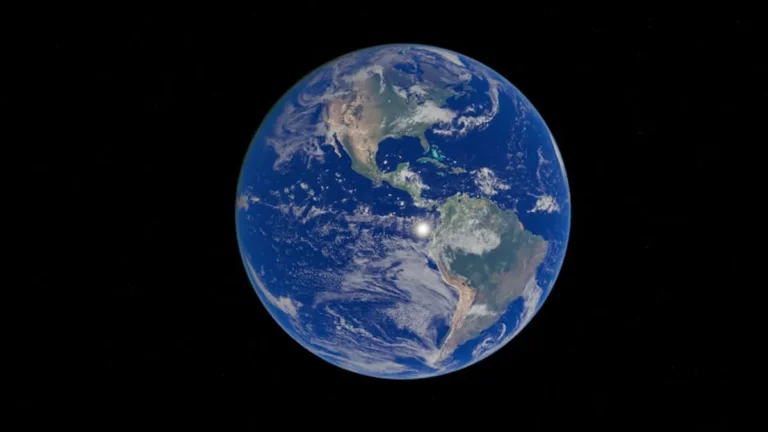
- Earth: As the fourth planet, Earth represents the fourth closest friend. This indicates a solid, consistent connection, where interaction is frequent enough to keep you in their top tier of contacts.
- Mars: The fifth planet, Mars, signifies the fifth closest friend. While still a high-ranking connection, the frequency of interaction might be slightly less intense than the Earth position, but still very regular.
- Jupiter: In sixth place, Jupiter represents the sixth closest friend. This indicates a consistent, albeit somewhat less frequent, interaction pattern compared to the top five.
- Saturn: The seventh planet, Saturn, denotes the seventh closest friend. This connection still involves regular communication but at a lower volume than the higher-ranking planets.
- Neptune: As the eighth and final planet in this visible system, Neptune signifies the eighth closest friend. This is the lowest rank within the visible planet system, indicating consistent but less frequent interaction than the other planets.
Pro Tip: The Snapchat Planet system prioritizes consistent, reciprocal engagement. Sending a large volume of snaps to someone who doesn't frequently reply will not elevate your planet status as effectively as a steady stream of two-way communication. Focus on genuine interaction over sheer quantity for higher rankings.
Connecting Planets to the Best Friend List
The Snapchat Planets are directly integrated with, and serve as a visual indicator for, the "Best Friend" and "Super Best Friend" designations. These are distinct but related indicators:
- Best Friend: This status is typically earned when you are one of someone's top eight closest friends. If you have a planet next to a friend's name, you are considered one of their Best Friends. This is a dynamic list, constantly updating based on recent interactions. The specific planet (Sun, Mercury, Venus, etc.) clarifies your exact rank within that top eight.
- Super Best Friend: This is a more exclusive status, represented by the "gold star" emoji. It means you are the #1 Best Friend to that person for at least two consecutive months. This is equivalent to consistently holding the "Sun" planet position for an extended period. It signifies an exceptionally strong and sustained reciprocal connection.
For brands and marketers, understanding these distinctions is critical. Identifying users who consistently appear high on your "Best Friend" list (i.e., those with Sun, Mercury, or Venus status) can highlight your most engaged audience members. These individuals are more likely to be brand advocates, early adopters, or influential within their own networks. Monitoring these relationships allows for targeted engagement strategies, such as exclusive content or early access, to nurture these valuable connections.
Leveraging Planet Insights for Engagement
While the planet system is primarily a social feature, its underlying mechanics offer valuable insights for strategic engagement on Snapchat:
Identifying Core Audiences and Advocates
Best for: Community management, influencer identification.
By observing which accounts consistently rank high (Sun, Mercury, Venus) on your profile, you can identify your most dedicated and interactive audience members. These are the individuals who are not just passively viewing content but actively engaging. For businesses, these users represent potential brand advocates or micro-influencers who can amplify your message organically.
Refining Content Strategy
Best for: Content creators, social media managers.
If your goal is to foster deeper connections, analyzing your planet rankings can inform your content approach. Are certain types of snaps or stories driving more consistent, reciprocal engagement? By understanding what resonates with your "top planets," you can tailor future content to encourage more two-way interaction, moving casual viewers into more engaged tiers.
Monitoring Relationship Health
Best for: Personal branding, network building.
For individuals building a personal brand or networking, the planet system offers a quick health check on key relationships. A consistent high-ranking planet indicates a strong, active connection. A declining planet status might signal a need to re-engage or adjust communication frequency to maintain the relationship's strength.
Understanding Reciprocity
Best for: Partnership evaluation, collaborative projects.
The reciprocal nature of the planet system highlights true two-way engagement. If you are a high-ranking planet for someone, and they are a high-ranking planet for you, it indicates a mutually beneficial and active relationship. This is a strong indicator for potential collaborations, co-marketing efforts, or identifying genuine supporters.
Maximizing Your Snapchat Engagement
The Snapchat Planet system, while seemingly a simple gamified feature, provides a tangible metric for understanding the strength and consistency of social connections. For brands, content creators, and individuals, this translates into actionable insights for audience segmentation, content optimization, and relationship management. Actively engaging with your audience, responding to snaps, and initiating conversations are fundamental steps to improving your standing within this system. The focus should always be on fostering genuine, reciprocal interactions that naturally elevate your position within the social solar system, leading to stronger community ties and more impactful communication.
Frequently Asked Questions
How do you get planets on Snapchat?
You get planets on Snapchat by consistently interacting with a friend through snaps and chats. The more frequently and reciprocally you communicate with someone, the higher your rank will be in their "Best Friends" list, which is visually represented by a planet next to their name on their profile.
Can you lose your Snapchat planets?
Yes, your Snapchat planet status is dynamic and can change. If your interaction frequency with a friend decreases, or if you start interacting more with other friends, your planet ranking with that specific friend may drop, or disappear if you fall out of their top eight closest contacts.
Do planets mean you're a "Best Friend"?
Yes, if you see a planet next to a friend's name on their profile, it signifies that you are one of their top eight "Best Friends." The specific planet (e.g., Sun, Mercury, Earth) indicates your exact ranking within that top eight based on interaction levels.
Is there a way to see other people's planets?
You can only see the planet status for yourself in relation to your friends. When you view a friend's profile, you will see your planet icon if you are one of their top eight closest friends. You cannot see the planet rankings that other friends have with each other.