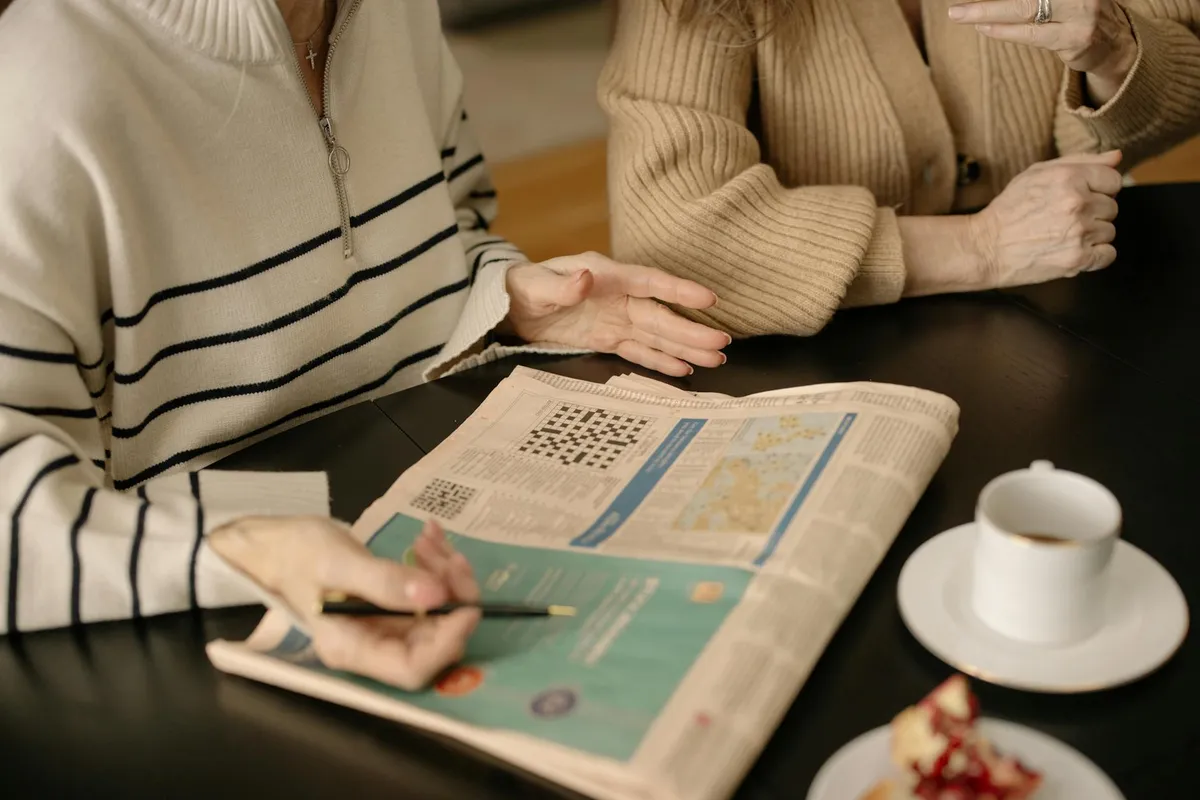
I tried switching my daily crossword from the New York Times to The New Yorker six months ago. I wanted variety. I'd been doing NYT for years. I thought a different style would be refreshing.
Six months in, I'm switching back. The New Yorker isn't bad — it's genuinely excellent. But the comparison taught me specific things about what I actually want from a daily crossword. Here's the honest comparison.
The two crosswords compared
Quick context on the differences:
NYT crossword: Daily puzzle with difficulty progression Monday (easiest) through Saturday (hardest). Sunday is bigger but moderate difficulty. Substantial editorial polish under Will Shortz.
The New Yorker crossword: Available on multiple cadences. Different difficulty levels. Substantially different cultural and stylistic emphasis.
Both are excellent products. The differences are substantial enough to make the choice between them meaningful.
What I expected from the switch
Going in, I expected:
Different cluing styles producing renewed challenge.
Different cultural references reflecting The New Yorker's editorial voice.
Substantial difficulty across all puzzles (no Monday-easy puzzles).
Specific sophistication that the magazine brand implies.
The expectations were largely accurate. The New Yorker delivers what its brand suggests.
What I actually got
The reality of six months of New Yorker daily solving:
Substantially harder solving. The Monday puzzle is harder than NYT Saturday for me. There's no easy day. Every puzzle requires substantial mental effort.
Different clue style. The New Yorker cluing is generally more wordplay-heavy and less pattern-based than NYT. Different cognitive demands.
Cultural emphasis differs. More high culture references (literature, classical music, art history). Less popular culture than current NYT.
Smaller community. The New Yorker crossword has community but it's smaller than NYT crossword community. Less daily discussion, fewer constructor blogs, smaller puzzle Twitter presence.
Different time commitment. Most days take longer than equivalent-day NYT puzzles for me.
The differences are real and substantial.
What worked well
Aspects of The New Yorker switch that I appreciated:
The cultural emphasis genuinely interested me. The literature and classical music references felt rewarding when I got them.
The themelessless design produced cleaner solving than NYT theme puzzles. No theme means no theme that's mediocre.
The cluing required more thinking, which I found stimulating.
The puzzles felt more crafted than mass-market — substantial editorial polish.
The constructor diversity included people I hadn't encountered through NYT.
For pure puzzle quality, The New Yorker is excellent.
What didn't work for me
What ultimately drove me back to NYT:
The difficulty floor. Without easier days, the daily crossword becomes more cognitive load than I want. Some days I want to solve easily and feel competent. The New Yorker doesn't offer those days.
The time commitment. Average solve times were higher. Across the year, the additional time mattered.
The community gap. NYT crossword has substantial community I missed. Constructor blogs, puzzle discussions, the broader scene.
The cultural breadth. NYT covers more contemporary culture than The New Yorker. The breadth matters for sustained interest.
The editorial style. NYT under Shortz produces puzzles with specific accessibility that The New Yorker editorial style doesn't emphasize.
Each issue is small individually. The cumulative effect over six months pushed me back to NYT.
The "harder is better" assumption
One specific lesson from the switch: harder isn't automatically better.
I had assumed that more challenging puzzles would be more rewarding. The reality is that the right difficulty level matches your specific goals, and your goals can include "completing puzzles consistently feels good."
The NYT difficulty progression Monday → Saturday lets me have easy completion days alongside challenging days. The pattern fits a sustainable daily routine better than uniform difficulty.
This isn't a NYT-vs-New-Yorker statement. It's a statement about what I personally want from daily solving. Other solvers may want uniform difficulty.
What I learned about my own preferences
The six-month experiment revealed specific personal preferences:
I want my daily crossword to be a small, satisfying ritual rather than a major mental commitment.
I value the difficulty progression that allows easy days alongside hard ones.
I appreciate the breadth of NYT cultural reference more than I realized.
The community matters more to me than I had recognized.
The editorial style I'm used to is actually well-suited to my preferences.
None of this is critique of The New Yorker; it's recognition of my own patterns.
Who should consider switching
The New Yorker is appropriate for solvers who:
Want consistently challenging puzzles.
Appreciate high cultural references.
Have time for longer solving sessions.
Don't need community as central to puzzle experience.
Want cleaner themelessless construction without theme variability.
Have already exhausted the NYT or want supplementary puzzle experience.
For these solvers, The New Yorker is excellent.
Who should stay with NYT
NYT remains appropriate for solvers who:
Want a sustainable daily ritual with difficulty variation.
Appreciate broad cultural reference including pop culture.
Value the substantial community around the puzzle.
Want occasional easier days as part of weekly rhythm.
Like Will Shortz's editorial style.
For these solvers, NYT continues to be the right choice.
What about doing both
Some solvers do both:
NYT as the daily anchor.
The New Yorker as occasional supplementary.
This works for solvers with substantial puzzle time and energy.
The combination provides variety without losing the NYT benefits.
For substantial puzzle hobbyists, doing both is reasonable.
The broader puzzle ecosystem
Beyond NYT and The New Yorker, the puzzle ecosystem includes:
LA Times crossword. Daily syndication, different style than NYT.
USA Today. Edited by Erik Agard. Daily.
Wall Street Journal. Different style emphasis. Friday is themelessless.
The Inkubator. Subscription with constructor collective.
AVCX. Subscription with substantial constructor variety.
Outside the Box. Joon Pahk's curated subscription.
For people wanting variety in daily puzzle diet, options exist beyond the two major mainstream offerings.
The mistake of binary thinking
One mistake in my thinking: I treated the choice as binary between NYT and The New Yorker.
The reality is that crossword solving can include multiple sources matched to different moods and contexts. The "switch" framing was wrong.
What I'm actually doing now:
NYT as primary daily anchor.
The New Yorker on weekends when I want substantial challenge.
Occasional indie outlets when I want variety.
This pattern works better than either pure-NYT or pure-New-Yorker daily solving.
The lesson for others considering switches
For people considering changing their primary crossword source:
Try the alternative source before fully committing. A few puzzles reveal whether it suits you.
Pay attention to actual experience rather than expected experience. The reality may differ from expectations.
Consider doing both rather than switching. Variety can be additive.
Don't treat one source as objectively better. Match the source to your specific preferences.
Be willing to switch back. Switching back isn't failure; it's recognition of preference.
The decision is personal and changeable.
The honest summary
The New Yorker crossword is excellent. NYT crossword is excellent. They're different products serving different preferences.
For me, NYT fits my daily routine better. The difficulty progression, cultural breadth, community, and editorial style align with what I actually want.
For other solvers, The New Yorker may fit better. The choice should reflect personal preferences rather than which puzzle is "better" in some objective sense.
The six-month experiment was valuable. I learned specific things about my own preferences. I now solve differently than I would have without the experiment.
For people considering similar experiments: do them. The lessons are worth the temporary disruption to routine.
The puzzles continue. The choices continue. The hobby is rich enough to support different approaches across different solvers.
Whatever you solve, solve it because you enjoy it. That's most of what matters.