In digital communication, plain text often falls short of conveying personality or capturing attention. A text generator, specifically one offering fancy fonts, symbols, and copy-paste functionality, addresses this by transforming standard alphanumeric characters into visually distinctive formats. These tools are not about installing new typefaces; rather, they leverage the extensive character sets within Unicode, presenting what appear to be different fonts as unique text symbols. The primary commercial utility lies in enhancing brand visibility, social media engagement, and message impact without requiring design software or advanced coding knowledge. For marketers, content creators, and anyone seeking to add a unique visual flair to their online presence, understanding how these generators work and their practical applications is key to leveraging their full potential.
Understanding Text Generators and Unicode Text
The Mechanics of "Fancy Fonts"
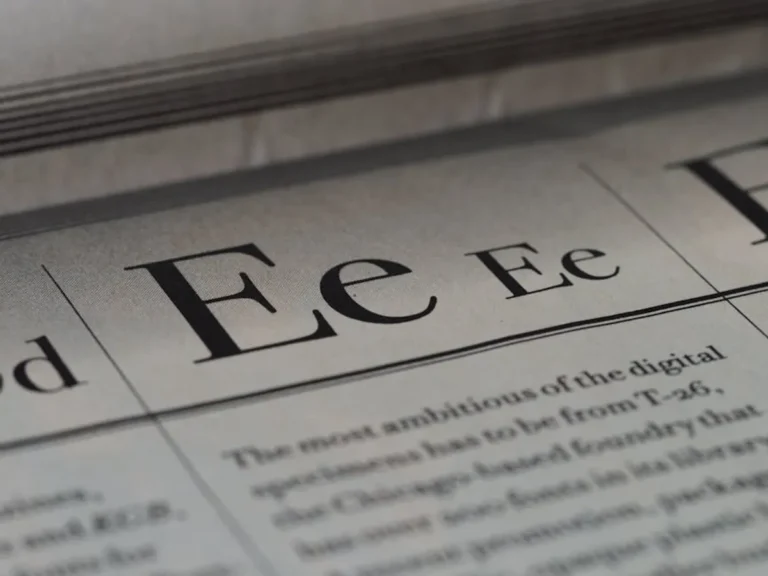
When a text generator advertises 'fancy fonts,' it's not manipulating traditional font files. Instead, it's operating within the Unicode standard, a universal character encoding system. Unicode assigns a unique number to every character, allowing text to be displayed consistently across different platforms and languages. Within this vast system, there are numerous alternative character sets that visually resemble different typographic styles—bold, italic, script, gothic, bubble, and more. For example, the letter 'A' can be represented by its standard ASCII character (U+0041) or by a mathematical bold 'A' (U+1D400), a script 'A' (U+1D49C), or a double-struck 'A' (U+212C). A text generator maps your input characters to these Unicode equivalents, producing a string of unique symbols that look like a new font.
Beyond Basic Characters: Symbols and Emojis
Beyond stylized letters, these generators often incorporate a wide array of Unicode symbols and emojis. This includes decorative elements like stars, arrows, brackets, and dingbats, as well as the universally recognized emoji set. These additions serve multiple purposes: they can break up text, emphasize specific points, convey emotion, or simply add visual interest. For instance, using a small star symbol (★) before a bullet point can make a list more engaging than a standard dash. Emojis, when used judiciously, can communicate tone and personality, particularly valuable in character-limited environments like social media captions or headlines.
The Commercial Value of Copy-Paste Functionality
The 'copy-paste' aspect is not merely a convenience; it's fundamental to the commercial utility of these tools. Unlike traditional fonts that require installation on a user's system and specific software to render, Unicode text generated by these tools is universally portable. Once generated, the stylized text can be copied as plain text and pasted directly into virtually any digital text field—social media posts, email subjects, instant messages, website content management systems, or graphic design tools. This eliminates compatibility issues and ensures the unique visual style is preserved across diverse platforms and devices, reaching a wider audience without technical hurdles.
Strategic Applications for Enhanced Digital Presence
Social Media Engagement and Branding
For social media, custom text offers a distinct advantage. Platforms like Instagram, Twitter, and Facebook allow Unicode characters, making it possible to create unique bios, post captions, and story text that stand out from the default typography. This visual distinction can increase click-through rates, improve readability, and reinforce brand identity by creating a consistent, recognizable aesthetic.
- Instagram Bios: Differentiating a personal or brand profile with a unique font style.
- Twitter Threads: Emphasizing key points or headings within a thread.
- Facebook Posts: Adding visual flair to announcements or promotions.
- TikTok Captions: Catching attention in a fast-scrolling feed.
Marketing and Advertising Impact
In marketing, a text generator can elevate campaign materials. Striking headlines or calls-to-action (CTAs) can significantly impact user engagement. The goal is to break through the noise, making messages more memorable and impactful without resorting to image-based text, which can hinder accessibility and SEO.
Best for:
- Email Subject Lines: Increasing open rates by making subjects more noticeable in a crowded inbox.
- Ad Copy: Drawing eyes to specific keywords or offers in display ads.
- Website Headlines: Adding a unique touch to landing pages without custom CSS.
- Product Descriptions: Highlighting features or benefits with stylized text.
Personal Expression and Creative Projects
Beyond commercial applications, these tools empower individuals to infuse personality into their digital communications. From personalized greeting cards to forum signatures or even gaming profiles, the ability to generate unique text styles fosters creativity. It allows users to express nuances that plain text cannot, making their messages more engaging and reflective of their individual or brand voice.
PRO TIP: While 'fancy fonts' enhance visual appeal, prioritize readability. Overuse of highly decorative or complex Unicode characters can hinder accessibility for users with visual impairments or those relying on screen readers. Test your stylized text on various devices and platforms to ensure it renders correctly and remains legible for your entire audience.
Limitations and Best Practices
While text generators offer significant advantages, understanding their limitations is crucial for effective implementation.
- Readability: Some Unicode character sets, especially highly ornate ones, can be challenging to read, particularly in long blocks of text or smaller font sizes. Prioritize clarity over excessive embellishment.
- Accessibility: Screen readers may interpret complex Unicode characters differently than standard text, potentially disrupting the user experience for visually impaired individuals. Use stylized text sparingly for emphasis rather than for core content.
- Platform Compatibility: Although Unicode is universal, specific platforms or older operating systems might not fully support all characters, leading to 'tofu' (square boxes) or incorrect rendering. Always test your generated text on target platforms.
- SEO Considerations: Search engines generally process standard text more efficiently. While stylized text can boost engagement signals, it should not replace primary keywords in standard text format within your core content. Use it for visual impact, not for SEO keyword stuffing.
Maximizing Your Digital Communication with Text Generators
Leveraging a text generator effectively involves a balanced approach. Identify specific points where visual distinction adds value—a compelling headline, a unique call-to-action, or a distinctive social media bio. Experiment with different styles to find what resonates with your audience and aligns with your brand's aesthetic. Remember that these tools are enhancements, designed to complement, not replace, clear and concise communication. By strategically integrating fancy fonts and symbols, you can elevate your digital presence, capture attention, and deliver messages with greater impact across diverse online environments.
Frequently Asked Questions About Text Generators
How do text generators create "fancy fonts"?
Text generators don't create new fonts. Instead, they convert standard text characters into alternative Unicode symbols that visually resemble different font styles (e.g., bold, italic, script, bubble letters). These are existing characters within the Unicode standard, not custom typefaces.
Can I use these generated texts on all social media platforms?
Generally, yes. Most modern social media platforms and operating systems support a wide range of Unicode characters. However, very obscure or new Unicode symbols might not render correctly on older devices or less updated platforms, appearing as blank squares or question marks. Always test your text where it will be published.
Are these "fancy fonts" good for SEO?
For core content and primary keywords, standard text is preferable for SEO because search engines process it most efficiently. While stylized text can improve user engagement (which indirectly benefits SEO), it should be used for visual enhancement rather than replacing readable, indexable text crucial for search engine understanding and ranking.
Is there a limit to how much text I can convert?
Most online text generators have practical limits, often related to the length of the input field or the processing capacity of the tool. For typical social media posts, headlines, or short messages, these tools handle the conversion instantly. For very long documents, it might be more practical to use standard fonts within a document editor.