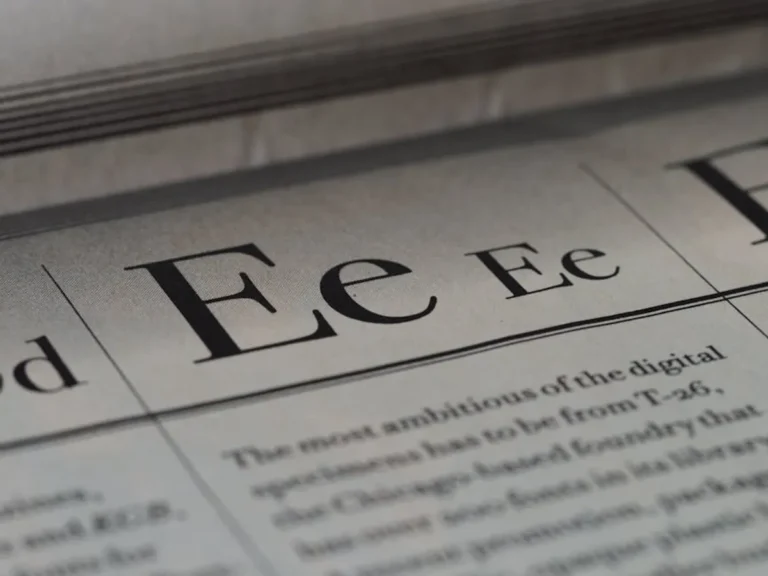

On Instagram, a distinct profile can significantly impact brand perception and audience engagement. While the platform offers limited native customization, creative use of Unicode characters allows for "stylish fonts" in names and bios. This approach moves beyond standard text, enabling profiles to convey specific brand aesthetics or highlight key information immediately upon discovery. The utility lies in differentiating a profile within a competitive feed, attracting attention, and reinforcing a brand's unique voice without relying on visual assets alone. Understanding how to select and implement these copy-paste fonts effectively is crucial for any individual or business aiming to optimize their Instagram presence for commercial or personal branding objectives.
Understanding Instagram's Text Environment
Instagram's interface uses a standardized font system to maintain visual consistency across its global user base. This means users cannot directly select or change fonts within the app's settings for their profile name or bio, unlike some word processors or design software. The "stylish fonts" seen on many profiles are not true fonts in the traditional sense, but rather collections of Unicode characters. Unicode is a universal character encoding standard that includes a vast array of symbols and stylistic variations of letters, many of which resemble different typefaces. When you "copy-paste" a stylish font, you are essentially pasting these unique Unicode characters, which Instagram's system then displays as text.
How Copy-Paste Font Generators Function
Online font generators convert standard Latin alphabet characters into their Unicode equivalents. A user types their desired text into a generator, which then processes it into various stylistic Unicode representations. The user then copies the preferred output and pastes it directly into their Instagram name or bio field. This process bypasses Instagram's native font restrictions by leveraging the platform's ability to render a wide range of Unicode characters. This process involves converting text to unicode characters for stylish display.
Strategic Font Selection for Impact
Choosing the right font style is not merely an aesthetic decision; it's a strategic branding choice that influences readability, message clarity, and overall profile impression. Consider the following factors before implementation:
- Brand Identity: Does the font align with your brand's established visual and tonal identity? A playful script might suit a creative agency, while a bold, blocky font could reinforce a fitness brand's strength.
- Readability: Prioritize clarity. Some highly decorative Unicode fonts can be difficult to read, especially on smaller mobile screens. Test your chosen font across different devices and screen sizes.
- Target Audience: Consider what resonates with your audience. A Gen Z audience might appreciate more experimental styles, whereas a professional B2B audience might prefer subtle enhancements.
- Specific Use Case: A highly stylized font might work for a short, impactful name, but a more legible option is often better for a longer bio containing key information or calls to action.
Popular Font Styles and Their Commercial Applications
Different Unicode styles convey distinct messages and can be leveraged for specific commercial outcomes:
Serif/Classic Styles:
Resembling traditional typefaces with small decorative strokes, these fonts often project a sense of heritage, reliability, and sophistication.
Best for: Brands in luxury goods, finance, consulting, or established educational institutions seeking to convey authority and timeless elegance.
Example: 𝒫𝓇𝑜𝒻𝑒𝓈𝓈𝒾𝑜𝓃𝒶𝓁 𝒮𝑒𝓇𝓋𝒾𝒸𝑒𝓈
Script/Calligraphy Styles:
Mimicking handwritten text, these fonts evoke artistry, personal touch, and elegance. They can range from flowing and ornate to more understated and refined.
Best for: Artisanal products, beauty brands, wedding planners, artists, or personal brands emphasizing creativity and bespoke experiences.
Example: 𝓒𝓻𝓮𝓪𝓽𝓲𝓿𝓮 𝓢𝓽𝓾𝓭𝓲𝓸
Bold/Heavy Styles:
These fonts use thicker lines or a more compact, impactful structure to stand out. They demand attention and convey strength or urgency.
Best for: Fitness brands, tech startups, promotional offers, or any profile needing to make a strong, immediate impression.
Example: 𝗧𝗥𝗔𝗡𝗦𝗙𝗢𝗥𝗠 𝗬𝗢𝗨𝗥 𝗙𝗜𝗧𝗡𝗘𝗦𝗦
Small Caps/Underlined Styles:
Subtler than bold or script, small caps provide a refined emphasis, while underlined text draws attention without being overly decorative.
Best for: Highlighting key features, service offerings, or important dates in a bio without sacrificing readability. Useful for legal or medical fields where clarity is paramount.
Example: ᴜɴʟᴏᴄᴋ ᴘᴏᴛᴇɴᴛɪᴀʟ
Special Characters/Emojis:
Beyond letters, Unicode offers a vast array of symbols, arrows, and decorative elements that can be integrated to add visual flair or direct attention.
Best for: Adding visual interest, breaking up text, or guiding the eye to a call-to-action link. Use sparingly to avoid clutter.
Example: ⭐ 𝟱-𝗦𝘁𝗮𝗿 𝗥𝗮𝘁𝗶𝗻𝗴𝘀 ⭐
Implementing Fonts for Instagram Names
Your Instagram name is often the first textual element a new visitor sees. Using a stylish font here can create immediate recognition and reinforce your brand's unique identity. Keep it concise; highly decorative fonts can quickly become illegible if the name is too long. The character limit for Instagram names is 30 characters, so choose a font that maximizes impact within this constraint without sacrificing clarity. For instance, a bold or slightly italicized version of your brand name can make it pop in search results and follower lists.
Implementing Fonts for Instagram Bios
The Instagram bio (150-character limit) is a prime location for communicating your value proposition, mission, or key services. Stylish fonts can be used strategically to:
- Highlight Key Information: Use a slightly different font for your primary offering or unique selling proposition to make it stand out.
- Emphasize Calls to Action: A distinct font for phrases like "Shop Now" or "Link in Bio" can draw the eye towards critical instructions.
- Structure Information: Use different font styles to delineate sections or bullet points within your bio, improving scannability.
Pro Tip for Accessibility: While stylish fonts enhance visual appeal, some highly stylized Unicode characters may not render correctly on all devices or for users with accessibility tools like screen readers. Prioritize readability and test your chosen fonts on various operating systems and devices to ensure your message is universally accessible and understood. Avoid overly complex or "glitchy" fonts that can appear as broken characters.
Practical Considerations for Font Use
Beyond initial selection, ongoing management of your Instagram profile's typography requires attention to detail:
Device Compatibility: Always check how your chosen fonts appear on both iOS and Android devices, as well as different screen sizes. What looks clear on one device might be distorted or unreadable on another.
Brand Consistency: Ensure the fonts used on Instagram align with your overall brand guidelines. If your brand uses a specific typography family on your website or other marketing materials, try to find a Unicode equivalent that maintains a similar aesthetic.
Avoid Overuse: A little goes a long way. Using too many different font styles or excessively decorative fonts can make your profile look cluttered and unprofessional. Stick to one or two complementary styles for emphasis.
Regular Updates: As trends evolve, periodically review your font choices. What was stylish last year might now appear dated. Keep your profile fresh and relevant to maintain engagement.
Optimizing Your Instagram Profile with Custom Fonts
Thoughtful integration of stylish fonts into your Instagram name and bio is a low-effort, high-impact strategy for profile optimization. It allows you to inject personality, reinforce brand messaging, and enhance visual appeal in a platform that otherwise offers limited customization. By selecting fonts that align with your brand, ensuring readability, and testing for compatibility, you transform plain text into a powerful tool for attracting and engaging your target audience. This subtle differentiation can lead to increased profile visits, higher conversion rates for calls to action, and a stronger overall brand presence on Instagram.
Frequently Asked Questions
Q: Can Instagram ban me for using stylish fonts?
A: No, Instagram does not ban users for employing Unicode characters in their names or bios. These are standard characters that the platform is designed to display.
Q: Do stylish fonts affect Instagram searchability?
A: While your main Instagram username (handle) is critical for search and remains in standard font, the display name can use stylish fonts. However, users searching for your brand might type your name in a standard font, so ensure your actual username is easily searchable.
Q: Where can I find reliable copy-paste font generators?
A: Numerous free online tools are available. Simply search for "Instagram font generator" to find various options that convert text into Unicode styles for easy copying and pasting.
Q: Can I use stylish fonts in my Instagram posts or stories?
A: You can paste stylish Unicode text into your post captions. For stories, while the native text tool offers limited font options, you can create stylized text in a third-party app, save it as an image, and then upload it to your story.